
The curriculum for the people who govern community-level response.
Four modules. A complete learning arc. From understanding what communities can't see, to the spatial frameworks and institutional alignment that turn intelligence into action. Built for municipal leaders, emergency managers, and First Nations community decision-makers — no fire science background required.
"Communities don't fail because they ignore wildfire risk. They fail because breach conditions emerge outside their field of view — where responsibility is diffuse, visibility is low, and decisions are delayed until options collapse."
Each module builds on the last — from naming the problem, to seeing it spatially, to aligning the institution, to deploying the intelligence layer that makes it all actionable.
The data exists. The tools exist. What most communities are missing is a framework for seeing their specific landscape — naming risk within it, locating it precisely, and making those conditions decision-ready before the emergency window compresses.
Each module includes a narrated audio briefing by Brady Gilchrist and a downloadable Professional Development Lecture Kit — structured discussion questions, self-assessment, and week-one actions.
"This is a straight answer to the question we get asked most often: what exactly does FireArc do, and why does it matter? If you're new to us, this is the right place to begin."
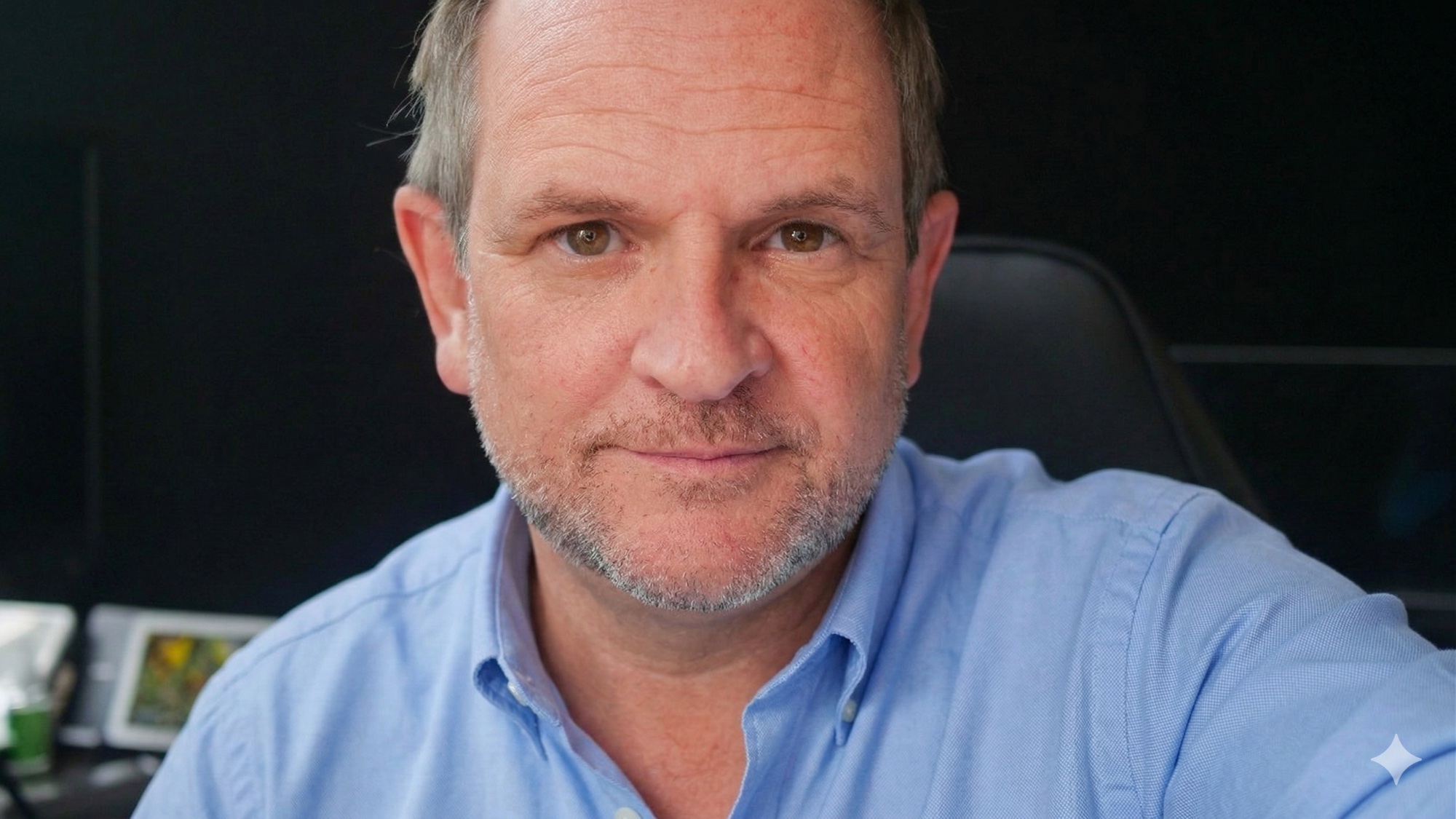
— Brady Gilchrist, Founder & CEO
This module introduces HaloScout, HaloScan, EdgeScan, and FRIZ — the full FireArc reconnaissance stack — and explains why no institution currently owns the perimeter intelligence layer that communities need most.
Audio: ./ACADEMY/AC_AboutFireArc.mp3
"This lesson is about the Nine BlindSpots — nine risk conditions that show up consistently in wildfire disasters, and that most communities have no clear way of seeing with the tools they currently have. It's the foundation of everything FireArc does."
— Brady Gilchrist, Founder & CEO
After listening, download the Lecture Kit for tiered discussion questions (Understand → Apply → Challenge), a community self-assessment diagnostic, and three zero-budget actions you can take this week.
Audio: ./ACADEMY/AC_NineBlindSpots.mp3
"This one is about FRIZ — FireArc's spatial addressing system. The core idea is surprisingly simple. I think you'll see why it matters pretty quickly."
— Brady Gilchrist, Founder & CEO
The Lecture Kit includes the Prediction / Prescription / Visibility framework, a 10-term glossary, nine Bloom's-aligned discussion questions, and a community self-assessment focused on shared spatial vocabulary.
Audio: ./ACADEMY/AC_Friz.mp3
"This part of the series is a little different — it's not primarily about fire science, it's about decision-making. If you've ever sat in a planning meeting and felt like everyone was talking about the same problem from completely different angles — this one is for you."
— Brady Gilchrist, Founder & CEO
The Municipal Leadership Edition Lecture Kit features a Before/After SmartMoat comparison, three governance-focused problems, and challenge questions designed to surface the structural barriers to coordinated wildfire action in your institution.
Audio: ./ACADEMY/AC_SmartMoat.mp3
This curriculum is organized around one question: what does a community decision-maker need to know and be able to do to move from awareness to action? No fire science background required.
Each module includes a fully designed Lecture Kit — five components structured for facilitated team learning. Bloom's Taxonomy tier structure built in.
All three kits are free. FireArc Academy is a public contribution to Canada's wildfire resilience sector.
Nine BlindSpots™ · FRIZ™ · SmartMoat™ are proprietary frameworks of FireArc Inc.
FireArc Academy builds the foundation. HaloScout, HaloScan, EdgeScan, and FRIZ build the picture — for your specific community, your specific landscape, your specific exposure geometry.